
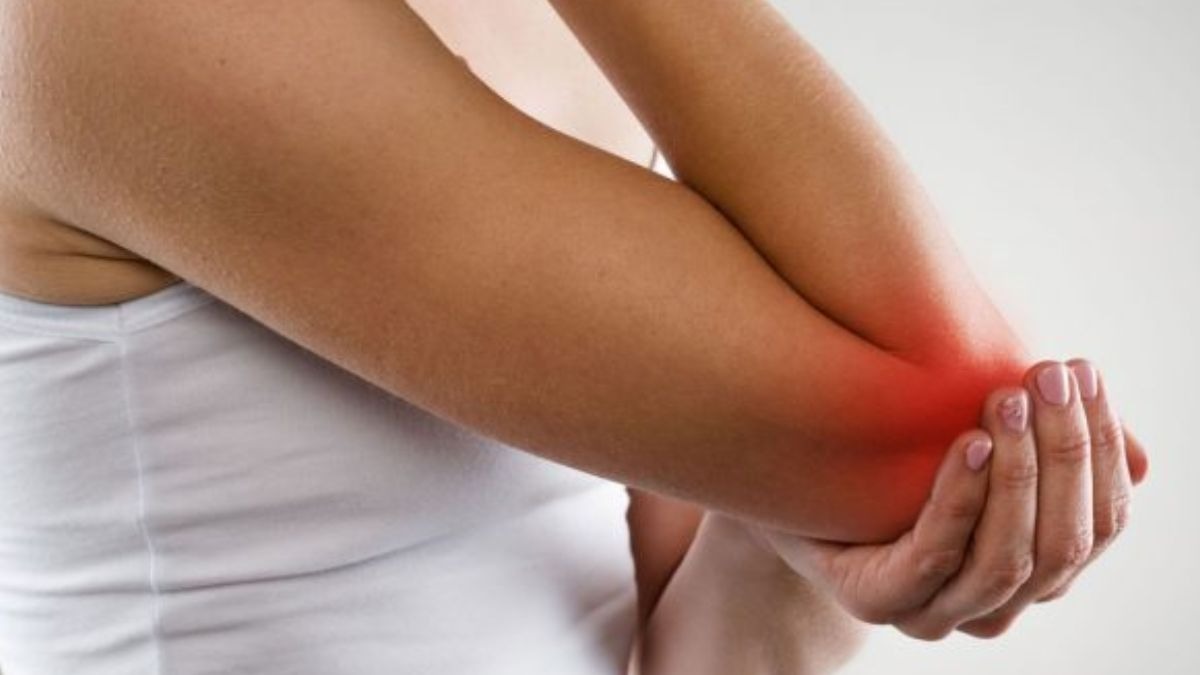
Pickleball is one of the fastest-growing sports in the country, with players of all ages and skill levels enjoying it. Although the game is enjoyable, social and a great way to keep active, repetitive swinging can strain the elbow and forearm muscles. Tennis elbow is one of the most common overuse injuries among pickleballers and can make it difficult to play the game and perform everyday tasks.
To prevent tennis elbow when playing pickleball, it is important to understand how to avoid damaging the lateral epicondyle and how to play the game without causing pain. You can take precautions and enjoy playing the game all the more, even if you're a novice or an old pro.
Tennis Elbow: What is it?
Lateral epicondylitis or tennis elbow is the irritation and inflammation of the tendons that attach the muscles of the forearm to the outside of the elbow. This condition is not just seen in tennis players! It is a common ailment among pickleball players stemming from overuse of the hand and arm, poor form, and gripping.
There may also be pain on the inside of the elbow (golfer's elbow) in some players. A condition, such as Tennis & Golfers Elbow, can be progressive and gradually get worse if left untreated.
Common symptoms include:
- Elbow pain or burning sensation on the outside of the elbow.
- Weak grip strength.
- Pain with getting up and down from the floor.
- Difficulty shooting backhand or repeated swings.
- A stiffness in the forearm.
The best way to prevent chronic pain and maintain a healthy body is to take steps early on.
Warm Up Before Every Match
A huge error made by players is playing without warming up. Cold muscles and tendons are more susceptible to strain and injury.
A good warm up should consist of:
- Gentle arm circles
- Wrist rotations
- Forearm stretches
- Shoulder mobility exercises
Do light exercise to get blood pumping. Engage in low intensity exercise to get the blood pumping.
Dynamic stretching involves moving the muscles and tendons through their full range of motion which helps to prepare the muscles and tendons for repetitive movements thus avoiding unnecessary stress to the elbow joint.
Use Proper Pickleball Technique
A big contributing factor to tennis elbow for pickleballers is poor form. Tendons can be overtaxed if not executed properly with a backhand or if the wrist is overused or the paddle is gripped too tightly.
To minimise risks:
- Maintain a steady wrist while throwing the ball.
- Leaning on the shoulder and core not the forearm only.
- Don't swing too hard with the backswing.
- Use a coach for stroke mechanics improvement.
Don't grip the paddle so tightly that you restrict your wrist and hand movement.
Proper technique will not only help to avoid injury to the elbow, it will also help to ensure that shots are made more accurately and consistently.
Choose the Right Paddle
The arms you use can have a significant effect on arm health. Small-grip or heavy paddles could cause the forearm muscles to vibrate and become strained.
When selecting a pickleball paddle, consider:
- Lightweight or medium weight models
- Comfortable grip size
- Shock-absorbing materials
- Balanced paddle construction
A smaller grip increases the workload on the forearm muscles, and a larger grip can reduce wrist range of motion. The right fit can minimize stress to the elbow during play.
Increase the strength of forearm and shoulder muscles
Overuse injuries are often caused by muscle weakness. Exercises that strengthen the muscles around the elbow and wrist and the shoulder can help keep them stable and minimize stress when they're used over and over.
Helpful exercises include:
- Wrist curls.
- Reverse wrist curls.
- Exercise for the forearm that involves pronation and supination, the motion of the forearm.
- Workouts to build shoulder strength using resistance bands.
- Grip strengthening exercises.
Slowly building up strength helps your tendons to handle repetitive activities better. It is more important to be consistent than intense when trying to prevent injury.
Avoid Overplaying
There are times when many pickleball enthusiasts play multiple games within a single day that they don't allow their body to recover. Without rest, repeated stresses can cause inflammation and irritation to the tendon.
To prevent any damage to your elbow:
- Keep extended play periods to a minimum.
- Schedule recovery days.
- If pain starts to occur, stop playing.
- Slowly build up activity levels.
- Mix up the intensity of the workouts with rest periods.
Listening to your body is essential. Persistent soreness should never be ignored.
Increase flexibility and mobility
Forearm muscle tightness can also put strain on the elbow tendons. Regular stretching helps keep the joints flexible and decreases joint stress.
Effective stretches include:
- Wrist flexor stretches.
- Wrist extensor stretches.
- Shoulder stretches.
- Move your upper back to improve mobility.
Extend after play to help relax muscles and promote recovery.
Wear Supportive Bracing if Needed
Some pickleball players find it helpful to wear a counterforce brace or elbow strap while playing. The braces will help to spread the load of the damaged tendons and decrease the strain on the damaged tendons.
Bracing can be particularly beneficial for the player who is returning from an injury or has minor pain while playing.
When conservative treatment fails to relieve pain, a professional assessment may be required. Educating players on treatment options from bracing to advanced treatment will help them understand recovery options. To learn more, check out this article on preparing for surgery for tennis elbow pain.
Keep talking about Recovery After Playing.Continue to emphasize Recovery After Playing.
The recovery process is as critical as performance. Muscles and tendons need to be repaired and rebuilt after playing pickleball.
Some recovery strategies are helpful:
- Using ice on aching areas.
- Gentle stretching.
- Staying hydrated.
- Foam rolling.
- Getting adequate sleep.
- Maintaining proper nutrition.
Without proper recovery, the inflammation could continue and worsen into chronic elbow pain.
Know When to Seek Medical Attention
Although the pain may worsen with activity and rest, if it continues to persist an orthopedic specialist should evaluate the condition. If treatment is delayed, the damage to the tendon may get worse over time.
If you have any of the following symptoms, please see a doctor:
- Persistent pain for over a few weeks.
- A strong weakness in the arm.
- Difficulty gripping objects.
- Pain that disrupts functioning in daily activities.
- Swelling or very painful.
It is important to be diagnosed and treated early to minimize long-term consequences and the recovery time.
Final Thoughts
Pickleball is a fun and fulfilling game, but with repetitive motions, the elbow could be put under strain if preventive measures are not implemented. A good warm up, correct technique, appropriate equipment, building up the muscles supporting the tendon and emphasis on recovery can all help to minimise the risk of tennis elbow.
Injury prevention means staying competitive, active and pain free and enjoying the game you love. When elbow pain starts to interfere with your performance or quality of life, the orthopedic specialists at Elite Ortho can help assess your condition and develop treatment options tailored to you to help you return to activity safely.
Frequently Asked questions (FAQs)
Why do pickleball players develop Tennis Elbows?
Most pickleball elbow pain is caused by repetitive swinging action, using a tight grip on the paddle, and overusing the forearm muscles while swinging.
Is tennis elbow a beginner’s disease for pickleball?
Yes, beginners are particularly vulnerable as they might not be using the proper technique, grip on the paddle, nor play often enough without building up their muscle.
What is the best kind of paddle to minimize elbow pain?
The use of lightweight paddles that have a shock absorbing material and the correct grip size will help minimize vibration and strain on the elbow.
If my elbow is injured, should I continue to play pickleball?
As for pain that persists, it's best that you slow down and let the area heal. Prolonged pain is likely to further damage the injury.
How much time is needed for tennis elbow to heal?
Recovery times will differ depending on the severity of the condition. Tendon injuries can resolve over a few weeks with treatment and rehabilitation for mild cases or several months for more serious tendon injuries.
Get expert care before your symptoms progress with Elite Ortho DMV
At Elite Ortho DMV, our advanced surgical techniques are designed to match your body’s unique anatomy helping you move freely and recover faster.