Trusted by thousands of patients in Maryland
Strong Bones Start with the Right Nutrients
The health and strength of bones rely on a balanced diet and a steady stream of nutrients. The most important of these are calcium and Vitamin D.

Calcium
Building Strong Bones
Calcium is a mineral needed to build and maintain bones and teeth. Without an adequate store of calcium bones become weak, a condition known as osteoporosis. In addition, calcium is important for other physical functions including muscle control and blood circulation.
Postmenopausal women are the most vulnerable to osteoporosis. Although loss of estrogen is the primary reason for this, poor lifelong calcium and Vitamin D intake, as well as lack of exercise, play a role in the development of osteoporosis.
Though older women are at highest risk osteoporosis, men, and even young adults are often times deficient in calcium and vitamin D.
Sources of Calcium
Sources of Calcium include a healthy diet that includes a variety of calcium-rich foods. Milk, yogurt, cheese, and other dairy products are the biggest food sources of calcium. Other high-calcium foods include:
- Kale, broccoli, Chinese cabbage (bok choy) and other green leafy vegetables.
- Sardines, salmon, and other soft-bone fish.
- Tofu.
- Breads, pastas and grains.
- Calcium-fortified cereals, juices, and other beverages.
Although adequate calcium can be obtained through diet, may be difficult for those who avoid dairy products. People who are lactose-intolerant or vegan may have difficulty.
Additionally, those who have suffered a fracture (broken bone), adolescents, pregnant and breast-feeding women, postmenopausal women, and men over the age of 70 require increased amounts of calcium.
In situations where calcium supplements are recommended, separate calcium supplements may be needed in addition to a multivitamin to ensure an adequate intake.
Reference:
https://www.niams.nih.gov/health-topics/calcium-and-vitamin-d-important-bone-health

Call or Schedule Appointment Now
Not Sure If You’re Getting Enough Calcium or Vitamin D?
Your bones depend on the right nutrients—and your needs may change with age, activity, or health history. If you’ve had a fracture, follow a restricted diet, or just want to stay strong, we can help.
Vitamin D
Helping Your Body Absorb Calcium
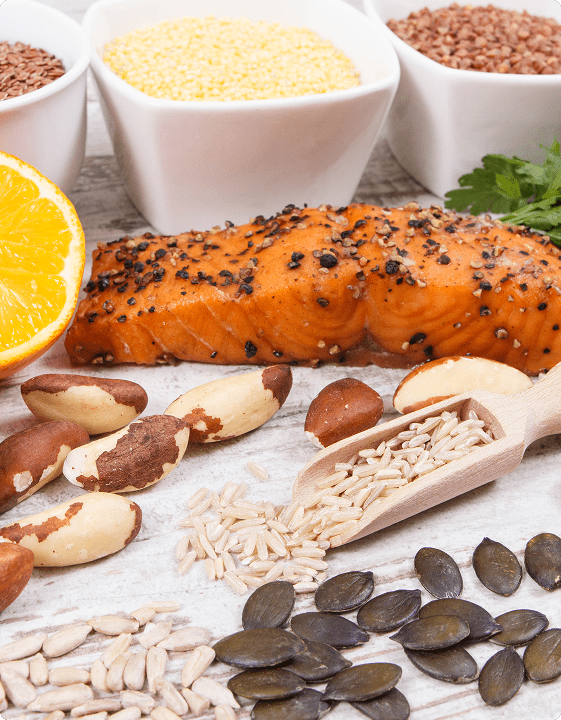
Vitamin D aids the body in absorbing calcium. In children a lack Vitamin D leads to a condition called rickets with bone weakness, bowed legs, and other skeletal deformities, such as stooped posture. In adults low Vitamin D can lead to osteomalacia (soft bone). Like rickets, osteomalacia can also cause bone pain and deformities of long bones.
Many of those who suffer fractures (broken bones) are found to be Vitamin D deficient. Risk factors for Vitamin D deficiency include breastfed infants, older adults, those with limited sun exposure, those with dark skin, those with inflammatory bowel disease and other malabsorption conditions, and those who are obese and or have undergone gastric bypass.
How Much Vitamin D Do You Need?
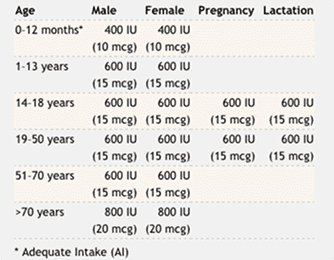
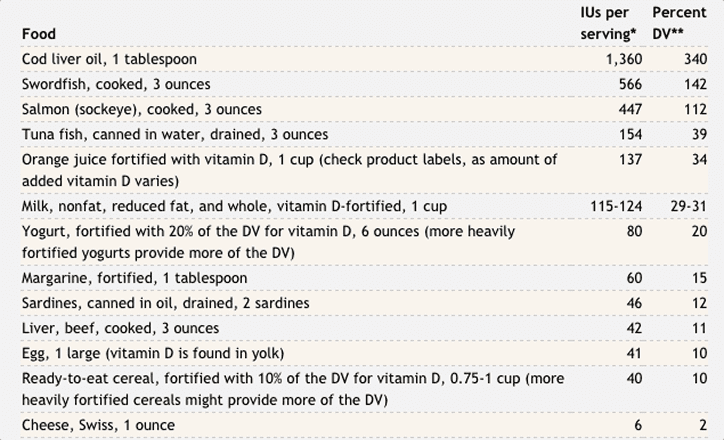
Below is the National Institute of Health’s recommendation for intake of Vitamin D and suggested sources.
Calcium and Vitamin D are essential for good bone health, but must be consumed safely. If you are not sure what intake levels are right for you and your health needs, be sure to talk to your doctor.
Reference:
http://ods.od.nih.gov/factsheets/VitaminD-HealthProfessional/
Recommended Dietary Allowances (RDAs) for Vitamin D
Selected Food Sources of Vitamin D
Contact us
Let’s Get You Scheduled
Expert orthopedic surgery and sports medicine care for patients in Maryland. Our team is here to help you move your best whether you have joint pain or a sports injury


Mon–Fri: 8:30 AM – 5:00 PM

(301)-851-0776