
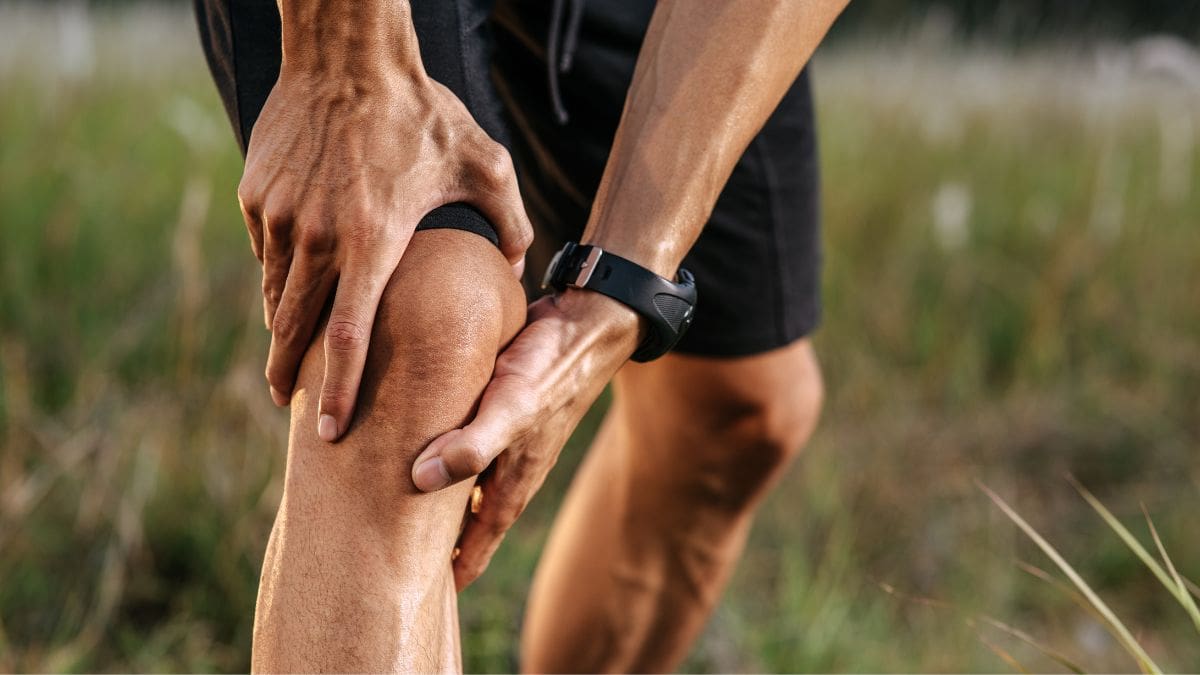
Knee osteoarthritis is among the most common types of arthritis affecting millions of people worldwide, especially the elderly. Knee osteoarthritis occurs when the cartilage in the knee joint starts to wear down. Its symptoms include pain, swelling, and stiffness.
Treatment options include exercises, medications, and in severe cases joint replacement. The knee osteoarthritis has a significant impact on the mobility of an individual that hampers his daily life activities. Despite the condition, it is possible to stay active and mobile with the right approach that manages the symptoms and conduct.
In this blog, you’ll find the effects of knee osteoarthritis on your mobility, how to preserve the function of your knee and steps to improve your life.
Understanding Knee Osteoarthritis
Knee osteoarthritis occurs when the cartilage that cushions the knee joint begins to wear away. Cartilage is essential for smooth movement, so as it breaks down, the bones may rub against each other, leading to pain, swelling, and stiffness. While the condition often worsens over time, its progression can vary from person to person.
Some of the primary causes of knee osteoarthritis include:
- Age: OA is more common in older adults, typically over 50.
- Injury: Previous knee injuries, such as ligament tears or fractures, can increase the risk of developing OA.
- Obesity: Carrying excess weight puts additional stress on the knee joints.
- Genetics: A family history of arthritis can increase the likelihood of developing knee OA.
While knee osteoarthritis is not reversible, early diagnosis and proper management can slow down its progression and preserve joint function.
Impact of Knee Osteoarthritis on Mobility
Knee osteoarthritis can significantly impact an individual's ability to move freely and perform everyday activities. Some of the effects on mobility include:
1. Pain and Discomfort
Pain is the most common symptom of knee osteoarthritis. This discomfort can make walking, standing, or even sitting for prolonged periods challenging. The pain often worsens with activity, such as climbing stairs, squatting, or walking for long distances.
2. Stiffness and Limited Range of Motion
As cartilage wears away, the knee joint may lose flexibility. This leads to stiffness and a limited range of motion. The knee may feel "locked" in place or unable to fully extend or bend, making activities like bending down, getting out of a chair, or lifting your leg more difficult.
3. Instability and Weakness
Knee osteoarthritis can weaken the muscles surrounding the joint, leading to instability. As the condition progresses, the knee may feel wobbly or unstable, increasing the risk of falls or further injury.
4. Swelling
Inflammation caused by OA can lead to swelling around the knee joint. Swollen knees can be painful and further limit mobility, making it even more challenging to stay active.
How to Maintain Knee Function and Mobility
Although knee osteoarthritis can make mobility difficult, there are several steps you can take to maintain function, reduce pain, and preserve your knee joint's health. The goal is to manage symptoms, slow progression, and improve quality of life.
1. Exercise and Strengthening
Maintaining an active lifestyle is crucial for people with knee osteoarthritis. Strengthening exercises can help stabilize the knee joint and alleviate pain by building the muscles around the knee. Stronger muscles reduce stress on the joint and improve mobility.
- Low-impact exercises like swimming, cycling, or walking are excellent options.
- Strengthening exercises for the quadriceps, hamstrings, and calves can improve muscle support around the knee joint.
Always consult with a physical therapist to ensure you’re performing the right exercises for your condition.
2. Weight Management
Maintaining a healthy weight is one of the most effective ways to reduce knee pain and improve mobility. Extra weight places additional stress on the knee joint, exacerbating symptoms of knee osteoarthritis. Losing even a small amount of weight can have a significant positive impact on your knees.
3. Pain Relief and Anti-inflammatory Measures
There are several non-surgical ways to manage knee osteoarthritis pain:
- Medications: Over-the-counter pain relievers like ibuprofen or acetaminophen can reduce inflammation and alleviate pain.
- Topical creams or gels: These can be applied directly to the knee to provide localized pain relief.
- Cold and heat therapy: Cold packs can help reduce inflammation, while heat therapy can relax muscles and alleviate stiffness.
4. Knee Braces and Supportive Devices
Wearing a knee brace can provide additional support to the joint and reduce instability. It can help you feel more secure while walking or engaging in daily activities. A custom-fit knee brace can offer the best support for your specific condition.
In addition, orthotic insoles for your shoes can provide cushioning and correct any abnormal foot mechanics that may be contributing to knee pain.
5. Physical Therapy
Working with a physical therapist can help you learn specific exercises and techniques to improve strength, flexibility, and balance. They can also help you find ways to move more efficiently, reducing the strain on your knee joints.
6. Surgery
In some cases, surgery may be necessary to restore knee function. Options include:
- Arthroscopy: A minimally invasive procedure to clean out damaged tissue in the knee.
- Partial or Total Knee Replacement: In severe cases, when other treatments haven’t worked, a knee replacement may be recommended.
However, surgery is usually considered only when other treatments have failed.
Gain expert insight from Dr. Argintar and Dr. Ashok L. Gowda.
According to Dr. Evan Argintar ( Board-Certified Orthopaedic Surgeon | Specialist in Sports Injuries & Upper Extremity Reconstruction) and Dr. Ashok L. Gowda(Board-Certified Orthopaedic Surgeon ) effective management of knee osteoarthritis focuses on preserving joint function while minimizing pain and inflammation. According to both experts, early diagnosis and a personalized treatment regimen are essential to slowing the disease’s progress, a combination of non-surgical interventions, including targeted physical therapy, activity modification and weight management. Furthermore, they state that patient education and consistent follow-up care are imperative to maintaining mobility and enhancing long-term quality of life; surgery is reserved for cases where conservative treatments cease to alleviate symptoms.
Conclusion: How Elite Ortho Can Help
Knee osteoarthritis can be a challenging condition, but with the right treatment and management plan, you can still lead an active and fulfilling life. Whether through exercise, weight management, pain relief, or working with a knee injury specialist, there are many strategies to maintain knee function and mobility.
At Elite Ortho, we specialize in providing tailored solutions to manage knee osteoarthritis. Our team of experienced professionals is dedicated to helping you regain your mobility and enhance your quality of life. With expert guidance and personalized care, you can live pain-free and enjoy your favorite activities again.
Frequently Asked Questions (FAQs)
1. Can knee osteoarthritis be cured?
No, knee osteoarthritis cannot be cured, but it can be managed effectively with the right treatments. Early diagnosis and lifestyle changes can help slow its progression and reduce symptoms.
2. What exercises are best for knee osteoarthritis?
Low-impact exercises like swimming, cycling, and walking are ideal. Strengthening exercises for the quadriceps and hamstrings are especially beneficial for stabilizing the knee joint.
3. When should I see a knee injury specialist?
If you experience persistent knee pain, swelling, or limited mobility, it’s important to consult a knee injury specialist. They can assess the condition and recommend the most effective treatment options.
4. Can losing weight help with knee osteoarthritis?
Yes, losing weight can significantly reduce stress on the knee joint, alleviating pain and improving mobility. Even a small reduction in weight can make a noticeable difference.
5. Is surgery always required for knee osteoarthritis?
Surgery is not always necessary. Many people manage knee osteoarthritis with non-surgical treatments like physical therapy, medications, and lifestyle changes. Surgery is considered only when other options have failed.
Get expert care before your symptoms progress with Elite Ortho DMV
At Elite Ortho DMV, our advanced surgical techniques are designed to match your body’s unique anatomy helping you move freely and recover faster.