
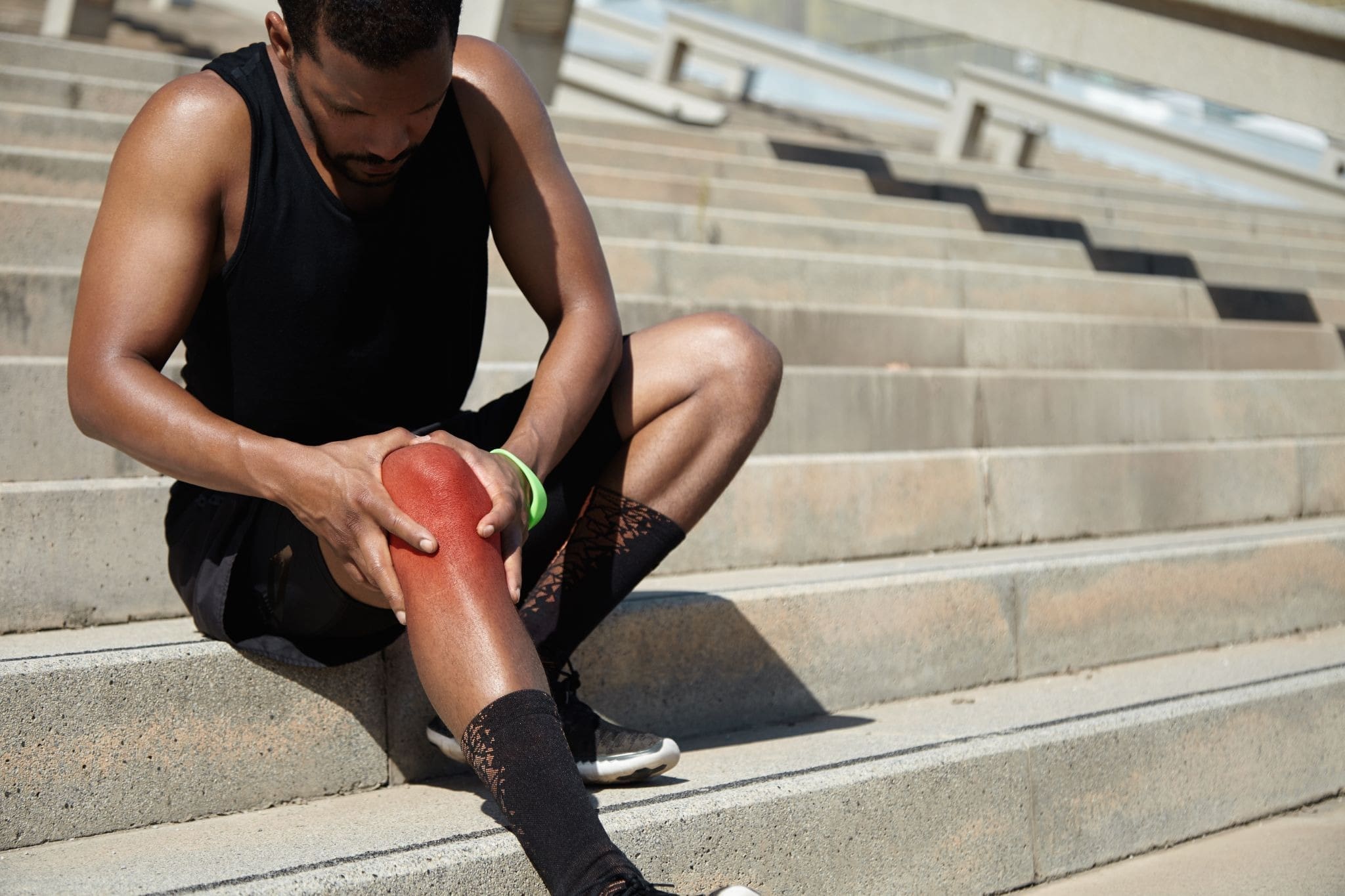
Youth sports help children stay active, build confidence, and become life-long healthy children. As children and young athletes train and participate in sports more often, however, injuries are becoming more common and are a growing problem. These injuries range from sprains, fractures and growth plate injuries to overuse injuries and demand specialized orthopedic treatment that is tailored to the developing body.
Young athletes face unique challenges and that's why Elite Ortho has specialists in orthopedics who understand these challenges. Kids and adolescents are not just “little adults.” They are still growing, so any injury needs to be diagnosed and treated carefully to ensure that their bones, muscles, tendon and joints grow healthy and they are able to move for the rest of their life.
Why Are Young Athletes More Vulnerable to Injuries?
Young athletes put repetitive strain on their still developing musculoskeletal system. Growth spurts, rigorous training regimens, overuse of movements and insufficient recovery periods can all pose a threat to injury.
Young athletes are at risk for sports injuries from these common causes:
- Over training and repetitive motion injuries.
- If the athlete does not condition or use the technique correctly.
- Sudden changes in activity.
- Contact sports accidents.
- Rather poor warm up and recovery.
- Lack of rest between seasons.
Orthopedic specialists do not just treat the injury, but seek to find out what caused the injury in the first place so that future injuries can be avoided.
Common injuries in young athletes
A large variety of injuries in youth sports are treated by orthopedic doctors. The more common ones are:
1. Sprains and Strains
Sprains are caused by overstretched or torn ligaments, and strains by over-stretched or torn muscles or tendons. Such injuries are frequently seen in the ankles, knees, wrists and shoulders while playing sports.
2. Growth Plate Injuries
Children and teens have soft bone growth plates at the end of their bones. These areas are less as hard as mature bone and are more vulnerable to injury. Rapid diagnosis and treatment is crucial to prevent future growth issues.
3. Fractures
Children are active and experience frequent fractures, particularly in contact sports, falls and collisions. Orthopedic specialists assess various fractures and decide if casting or bracing or surgery is required.
4. ACL and Knee Injuries
Children who play sports, such as soccer, basketball, football, and lacrosse, can develop knee problems, such as an ACL tear or patellar instability. Early orthopedic assessment is essential to ensure good recovery and joint stability.
5. Shoulder and Elbow Injuries
Overhead throwing in baseball, softball, swimming and tennis can cause pain in the shoulder and/or elbow. As many as more and more young athletes are developing conditions such as Little League Elbow and Shoulder injuries.
6. Overuse Injuries
Overuse injuries occur when the repetitive stresses are not adequately counteracted by recovery. Stress fractures, tendonitis, shin splints, and runner's knee are just a few of the common ailments.
Importance of early diagnosis
Early diagnosis is one of the most important pieces to orthopedic care of young athletes. It's important to not ignore pain or try to “play through” an injury, as this can make the situation worse and prolong recovery time.
Orthopedic doctors conduct thorough examinations that can include:
- Physical examinations
- Movement assessments
- X-rays
- MRI imaging
- Ultrasound evaluations
- Conduct strength and flexibility tests
The aim is to determine the precise cause of pain, taking into account the athlete's growth stage, activity and sport-specific requirements and also his or her age.
There are also experts who differentiate between injuries that need immediate care and those that can be helped via conservative management.
Non-Surgical Treatment Options for Young Athlete injuries
In most cases, an orthopedic specialist can help treat some of those injuries in young athletes without surgery. Conservative treatment options are often the first approach as healthy growth and minimising disruption to development is a priority.
Ensure adequate rest and activity modification
A period of rest following sporting activity restores injured tissues to normal function. A change in training to minimize stress on affected areas may also be recommended by orthopedic experts.
Physical Therapy
Physical therapy is a significant treatment part of the recovery process. Treatment programs focus on:
- Improving strength
- Restoring flexibility
- Improving balance and co-ordination
- Correcting movement patterns
- Preventing reinjury
Sport-specific rehabilitation protocols that are age and sport specific are beneficial for young athletes.
Bracing and Support
Recovering tissues may need to be protected with braces, splints or supportive devices during the healing process.
Anti-Inflammatory Treatments
Ice therapy or anti-inflammatory prescription drugs or other pain management interventions may be recommended by orthopedic specialists in order to help minimize swelling and discomfort.
Injury Prevention Education
An important component of treatment is education. Specialists are able to provide athletes, coaches and parents with instruction on:
- Proper warm-up routines
- Safe training techniques
- Recovery strategies
- Cross-training benefits
- Rest Days are important
Prevention of repeat injuries is as important as the treatment of the current injury.
When Surgery is Needed?
While most injuries can be treated conservatively, some young athletes may need surgery. Orthopedic specialists thoroughly assess the situation and decide on the need for surgery, depending upon the extent of the injury and the athlete's long-term health.
Surgery might be considered for:
- Torn ligaments such as ACL injuries
- Severe fractures
- Dislocated joints
- Cartilage damage
- Tendon tears
- Growth plate complications
The procedures performed in modern orthopedic surgery are mostly minimally invasive, and it may help to shorten recovery time and limit tissue damage. A paediatric orthopedic specialist also makes additional effort to minimize damage to growing bones and joints during surgery.
Rehabilitation and Safe Return to Sports
When pain goes away, it does not mean that recovery is complete. A safe return-to-play program is a critical component to help prevent re-injury and restore confidence.
The rehabilitation of each athlete is carefully supervised by an orthopedic specialist.
Athletes are usually evaluated prior to returning to sports to determine:
- Strength
- Stability
- Endurance
- Flexibility
- Functional movement
- Sport-specific performance
Early returns can greatly enhance the likelihood of injury to the same area. Individual recovery pathways are developed by specialists in accordance with the athlete's condition and healing process and depending on the demands of the sport.
The Role of Parents and Coaches
Parents and coaches are key in preventing injuries in youth athletes. Taking care of rest, knowing when someone is in pain and focusing on long-term health versus short-term performance is a big help.
Symptoms to watch for that should be assessed by an orthopedic specialist are:
- Persistent joint pain
- Swelling
- Limping
- Loss of flexibility or movement
- A pain that persists for more than a few days
- Tendency to avoid or fail to engage in usual activities
A healthy sport setting allows young athletes to stay active and helps to minimize risks for youth that are not needed.
Preventing Injuries in Young Athletes
Not all injuries are preventable, but there are some preventive measures that can help decrease risk.
Encourage Proper Warm-Ups
Stretching activity and warm up exercises prepare muscles and joints for activity.
Avoid Sports Specialization Too Early
Participating in a variety of sports helps to minimize repetitive stress to certain parts of the body and help develop muscles evenly.
Make rest and recovery a top priority
Growing bodies need to recuperate and repair during rest days.
Focus on proper technique
Proper movement mechanics minimize joint and muscle overuse.
Strength and Conditioning
Age appropriate conditioning allows for strengthening stability, coordination and injury resistance.
Stay Hydrated and Maintain Nutrition
Make sure you are staying hydrated and receiving nutrients. Continue to drink water and maintain nutrients. Eating and drinking the right foods and fluids helps maintain muscle function, bone health and recovery.
Supporting Young Athletes Through Expert Orthopedic care
Young athletes deserve specialized treatment that not only treats acute injuries but also considers long-term health needs. Orthopedic specialists aid children and teens to safely recover and to grow, move and perform athletically.
At Elite Ortho DMV, patients are provided with all the care needed for a problem with the musculoskeletal system including a detailed diagnosis, an individual treatment plan, rehabilitation and preventing injury. From a minor sprain to overuse injury, fracture or any other more complex sports-related condition, the team is dedicated to helping the player heal and play safely with confidence.
Frequently Asked questions (FAQs)
What are the most frequent sports injuries seen in young athletes?
Common injuries range from sprains, strains, fractures, to tears such as the ACL, growth plate injuries, tendonitis and overuse injuries like shin splints or runner's knee.
How do orthopedic specialists make a diagnosis of sports-related injuries in kids?
They use physical examination, movement assessments, X-rays, MRI and other imaging techniques to assess the injury and to decide on the appropriate treatment.
Do the injuries suffered by young athletes heal without surgery?
Yes. Rest, physical therapy, bracing, and activity modification can be enough to treat many injuries successfully. Surgical correction is usually only used for severe injuries.
Why are growth plate injuries so serious?
In children, growth plates are regions of growing tissue that are located in bones. Injuries to growth plates can interfere with the normal growth of bones and function of the joints if left untreated.
What is the appropriate time for a young athlete to return to sport post injury?
The timing for return to play is determined by the severity of the injury, healing process, strength, flexibility and overall recovery. An orthopedic specialist will thoroughly assess athletes before allowing them to resume sports activities.
Get expert care before your symptoms progress with Elite Ortho DMV
At Elite Ortho DMV, our advanced surgical techniques are designed to match your body’s unique anatomy helping you move freely and recover faster.