
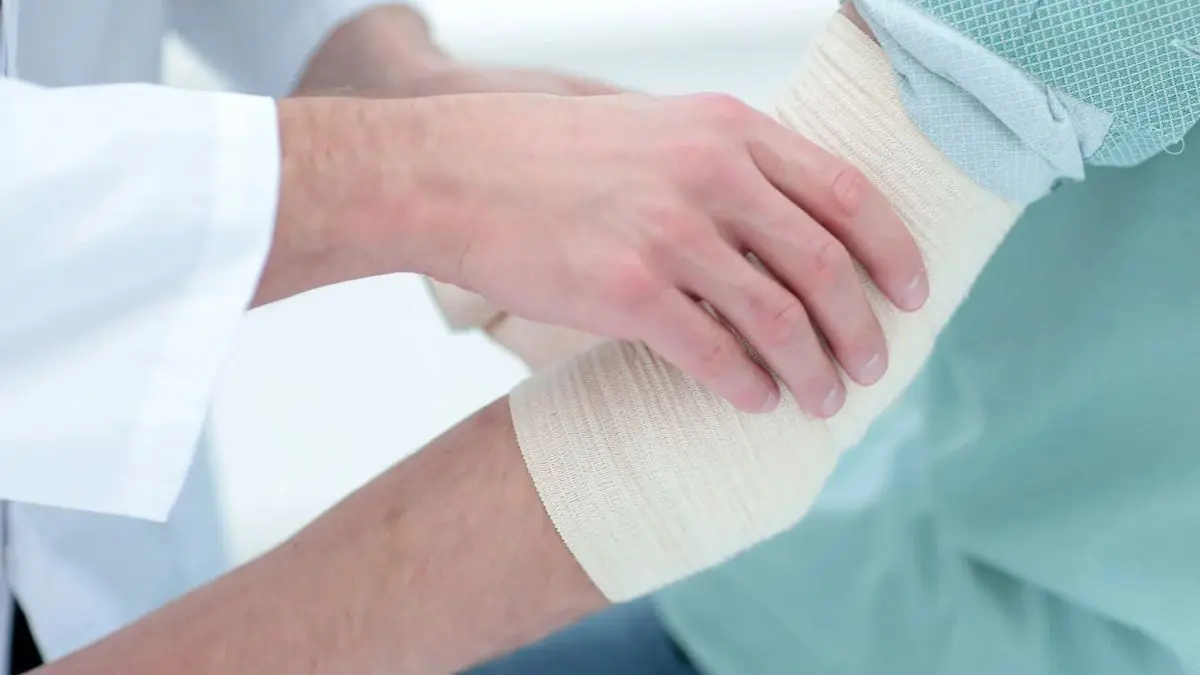
Orthopedic injuries are some of the most common health issues people face, whether from sports, daily activities, or accidents. They have an impact on the bones, joints, ligaments, tendons, and muscles that make up the musculoskeletal system. Although injuries can occur anywhere on the body, the knees and shoulders are typically the most affected. These joints are more likely to sustain injury because they support large weights, withstand repeated motions, and provide us the flexibility that keeps us going.
The top ten orthopedic injuries will be discussed in this article, along with the reasons why knees and shoulders are particularly vulnerable and some preventative advice.
1. Knee Ligament Injuries (ACL & MCL Tears)
Ligaments keep the knee joint stable by connecting bones and controlling motion, but sudden twists, uncomfortable arrivals or direct impacts can cause them to tear. The most well-known injury is an ACL (anterior cruciate ligament) tear, which commonly occurs in high-impact sports like basketball, soccer, and skiing where quick stops, pivots, or jumps put enormous stress on the joint. The MCL (medial collateral ligament), on the other hand, is often injured from a direct blow to the outer side of the knee, such as in football or contact sports. Symptoms of ligament tears usually include sharp pain, swelling, a feeling of instability, and difficulty bearing weight. In order to fully regain stability and avoid long-term joint issues, athletes or those with extensive tears may require surgical repair. Recovery often involves rest, bracing, and physical therapy to restore strength and mobility.
2. Meniscus Tears
As a stress absorber between the thighbone and shinbone, the meniscus is a C-shaped piece of tissue that stabilizes and cushions the knee joint. There are two menisci in each knee, and injuries may result from tearing one or both. Activities that impose a lot of strain on the cartilage, including abrupt pivots, deep squats, or uncomfortable landings, are more likely to cause these rips. Although meniscus tears can occur during everyday activities, athletes who participate in sports like basketball, soccer, and football are at a greater risk.
Tears in younger people are typically caused by trauma or abrupt twisting injuries. Meniscus rips frequently occur in older persons due to ongoing wear and tear, where cartilage decreases with age, potentially being triggered by even little movement.
When trying to bend or straighten their knee, many patients describe a popping sound at the site of the injury then a "catching" or "locking" sensation.
Treatment depends on severity and age. Minor tears can often be managed with rest, ice, compression, elevation (RICE), and physical therapy. More severe cases may require arthroscopic surgery to repair or trim the cartilage, restoring mobility and preventing long-term arthritis.
3. Patellar Tendonitis (Jumper’s Knee)
Patellar tendonitis, commonly known as jumper’s knee, is an overuse injury that occurs when the tendon connecting the kneecap (patella) to the shinbone (tibia) becomes irritated or inflamed. This tendon plays a key role in straightening the knee, making it essential for jumping, sprinting, and running.
Athletes in sports such as basketball, volleyball, soccer, and track and field are especially prone to this condition because of the repeated stress placed on the knee from explosive movements. Microtears in the tendon may form over time, causing discomfort and swelling. Pain immediately below the kneecap is the primary sign, and it frequently gets worse when you run, jump, or climb stairs. There may also be discomfort and stiffness, and in extreme situations, the pain may interfere with everyday activities and performance.
Treatment usually begins with rest, ice, and activity modification to reduce strain on the tendon. Stretching and strengthening exercises, particularly for the quadriceps and hamstrings, are crucial for long-term recovery. Anti-inflammatory medications, supportive braces, or physical therapy could also be suggested. Early intervention is crucial to restoring strength and preventing long-term tendon damage since jumper's knee can develop chronic if treatment is not done.
4. Shoulder Rotator Cuff Tears
The rotator cuff is a group of four muscles and tendons that stabilize the shoulder and allow smooth arm movement. Tears can develop gradually as a result of age-related wear and repeated overhead activities, or they can happen quickly as a result of trauma like carrying a large object or falling. Shoulder pain, weakness, trouble elevating the arm, and discomfort that gets worse at night are typical symptoms. While severe or chronic instances may necessitate surgical repair, mild rips can frequently be treated with rest, physical therapy, and anti-inflammatory medications. Restoring mobility and avoiding chronic shoulder dysfunction need prompt diagnosis and treatment.
5. Shoulder Dislocation
The shoulder is the most mobile joint in the body, offering a great deal of range of motion for both daily tasks and athletic endeavors. But because of its mobility, it's also one of the most prone joints to dislocation. A shoulder dislocation happens when the humerus, the ball of the upper arm bone, slides out of the shoulder blade's shallow socket.
Dislocations frequently occur from abrupt, uncomfortable motions, falls onto an extended arm, and contact sports. Inability to move the shoulder, obvious deformity, edema, and excruciating pain are typical symptoms. Nerve involvement can also cause tingling or numbness in certain situations.
6. Tennis Elbow (Lateral Epicondylitis)
Not just athletes can have tennis elbow; anybody who performs regular wrist and forearm motions, including typing, painting, or using tools, can get it. Pain and inflammation are the results of tiny rips that develop in the tendon that connects to the outside of the elbow. The outside elbow is typically uncomfortable for patients, particularly when they are holding, lifting, or twisting something. For pain relief and function recovery, a tennis elbow treatment specialist may suggest injections, physical therapy, bracing, or rest. Most patients heal completely and resume their regular activities with prompt care.
7. Carpal Tunnel Syndrome
Carpal tunnel syndrome develops when the median nerve in the wrist becomes compressed, often due to repetitive hand motions, arthritis, or swelling in surrounding tissues. Symptoms typically include tingling, numbness, and weakness in the hand, especially in the thumb, index, and middle fingers. If left untreated, the condition can worsen, leading to reduced grip strength and difficulty with fine motor skills. A Carpal Tunnel Treatment Specialist can provide effective care through braces, activity modification, physical therapy, or minimally invasive procedures. Early treatment is key to relieving symptoms, restoring hand function, and preventing permanent nerve damage.
8. Hip Labral Tears
The hip labrum is a ring of cartilage that cushions and stabilizes the ball-and-socket joint. A tear is very frequent in athletes and individuals who are very active and can be caused by repeated motion, structural problems, or unexpected trauma. Deep hip discomfort, stiffness, decreased range of motion, and a clicking or locking feeling when moving are common symptoms. Labral tears may get worse over time and aggravate arthritis if they are not addressed. Patients may find experts that offer precise diagnosis, modern treatments, and individualized attention to restore mobility and function by searching for a Hip Labral Tear Doctor Near Me.
9. Stress Fractures
Stress fractures are small cracks in a bone caused by repetitive stress or overuse, rather than a single traumatic event. Because of the continuous strain on the legs and feet, they are particularly prevalent among runners, dancers, and incoming military personnel. The most common sites for this kind of injury are the hip, foot, and shin. Localized discomfort that gets worse with movement and gets better with rest is one of the most common symptoms. Early identification is crucial because if the pain is ignored or high-impact activities are continued, the little crack may develop into a whole fracture, causing stronger treatment and a longer healing period.
Why Knees and Shoulders Are Most at Risk
While orthopedic injuries can happen anywhere, knees and shoulders dominate the list. Here’s why:
- The body weight is maintained by the knees: The knee joint is subject to stress from each step, jump and run, which increases the risk of cartilage and ligament injury.
- Shoulders give up stability for mobility: Because of their extensive range of motion, they are less strong, which makes them more vulnerable to rotator cuff tears and dislocations.
- High participation in sports: The knees and shoulders are subjected to higher stress than other joints while jumping, turning, throwing, and crashing.
- Repetitive everyday use: Overuse injuries grow over time since these joints never ever get a break from lifting or walking.
Preventing Orthopedic Injuries
While you can’t avoid every injury, you can lower your risk with smart habits:
- To increase flexibility and relax muscles, warm up and stretch before working out.
- To reduce strain on joints, strengthen supporting muscles, particularly the shoulders, hips, and core.
- To minimize strain, practice good technique during workouts and sports.
- When necessary, put on safety gear and supportive shoes.
- Pay attention to your body; take note of discomfort; and give yourself time to relax and heal.
- To lessen strain on the knees and hips, keep your weight within an appropriate range.
- Seek medical care early if you feel persistent pain or weakness.
Conclusion
Orthopedic injuries are a reality for active people of all ages. These ailments, which range from instability and irritation to tears in ligaments and stress fractures, can affect both long-term health and day-to-day functioning. Because of their extensive range of motion, heavy workloads, and regular use, knees and shoulders become especially sensitive.
The good news is that most orthopedic injuries may be effectively treated with early diagnosis, appropriate treatment, and preventative care. You may continue to move with confidence and lead an active, healthy lifestyle by strengthening your body, taking preventative measures, and protecting your knees and shoulders.
Get expert care before your symptoms progress with Elite Ortho DMV
At Elite Ortho DMV, our advanced surgical techniques are designed to match your body’s unique anatomy helping you move freely and recover faster.