
Trusted by thousands of patients in Maryland
Rotator Cuff Repair Surgery: Recovery, Pain, and Return to Activity
Surgery is typically recommended when symptoms persist despite conservative treatment such as physical therapy, activity modification, medications, or injections.

Orthopedic Service
What Is Rotator Cuff Repair Surgery?
Most rotator cuff repair surgeries are performed on an outpatient basis, meaning patients go home the same day wearing a sling.
Evaluation & Treatment
What Is the Typical Recovery After
Rotator Cuff Repair Surgery?

- A sling is typically worn for 4 to 6 weeks
- Passive range of motion begins early under therapist guidance
- Active motion usually begins around 6 weeks
- Strengthening typically begins around 10 to 12 weeks
- Full recovery often takes 4 to 6 months or longer for large tears
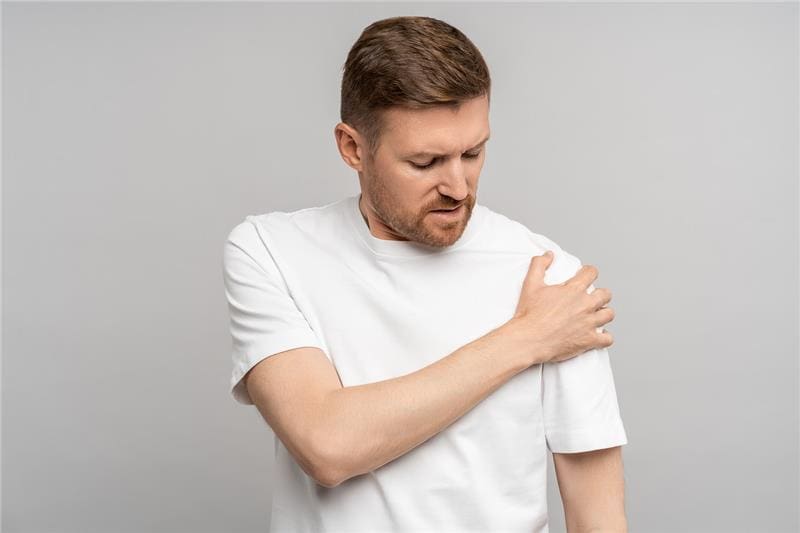
Why Might Someone Need Rotator Cuff Repair?
- Persistent shoulder pain
- Weakness with lifting or overhead movement
- Night pain that disrupts sleep
- Loss of shoulder function or mobility
- MRI or ultrasound confirmation of a tendon tear
- Failure of conservative treatment options
How Long Does Recovery Take?
Evaluation & Treatment
General Recovery Timeline

Light cardio activities such as walking or stationary bike: 1 to 2 weeks
Strength training exercises: Around 3 months
Return to non-contact sports: Approximately 4 to 5 months
Return to overhead or contact sports: Often 6 months or longer

Understanding Rotator Cuff Repair Surgery:
Recovery, Pain, and Return to Activity
What Happens During Rotator Cuff Repair Surgery?
- Small incisions are made around the shoulder
- An arthroscopic camera is inserted to visualize the joint
- The torn tendon is repaired and reattached to bone using anchors and sutures
- Incisions are closed with sutures or steri-strips
What Are the Benefits of Rotator Cuff Repair?
- Reduces shoulder pain
- Restores strength and mobility
- Improves ability to perform daily activities
- Allows return to sports or physical activity
- Helps prevent progression of tendon damage
What Are the Risks of Rotator Cuff Repair Surgery?
- Infection
- Stiffness or loss of motion
- Persistent pain or weakness
- Re-tear of the repaired tendon
- Need for additional surgery
- Rare nerve or blood vessel injury
Does Insurance Cover Rotator Cuff Repair Surgery?
How Painful Is Rotator Cuff Repair Recovery?
- Pain is usually moderate during the first 1 to 2 weeks
- Pain gradually improves over the first 2 to 4 weeks
- Prescription pain medication is commonly needed initially
- Many patients transition to over-the-counter medication within several weeks
- Night pain is common early in recovery
- Stiffness is expected and treated with guided therapy
How Much Time Off Work Is Needed?
Sedentary or Desk Work
Light Duty or Limited Lifting Jobs
Physically Demanding Jobs
Call and Schedule Appointment Now
Excited to return to the things you love?
Supporting active lifestyles at every age. Let our team help you move forward – stronger and pain-free!
Frequently Asked Questions
How long do I have to wear a sling after surgery?
Will I need physical therapy?
When can I drive after surgery?
Can rotator cuff tears heal without surgery?
When Should You Contact Your Provider?
- Fever or chills
- Increasing redness or drainage from the incision
- Severe shoulder swelling
- Persistent or worsening pain
- Numbness or weakness in the arm or hand
Why Choose Elite Ortho?
Board-Certified Surgeons
Nationally recognized, specialty-trained experts in orthopedic care.
20+ Years of Experience
Every doctor brings over a decade of hands-on success.
700+ Verified 5-Star Reviews
Real stories from real patients across Maryland.
Advanced Orthopedic Technology
From nano arthroscopy to internal brace repair—we use the best tools available.
Full-Spectrum Orthopedic Services
Surgical and non-surgical treatment for bones, joints, injuries, and pain.
Ethical, Compassionate Care
We treat every patient like family, with honesty and empathy.
Our Specialists
Meet Our Orthopedic Specialists
Our practice is home to a team of expertly trained surgical and sports medicine specialists who are dedicated to providing high quality evidence-based medical care in a private practice setting with a personal touch. Our doctors have trained at some of the most prestigious academic medical centers in the nation.
We treat all musculoskeletal conditions including, but not limited to, injuries related to sports, accidents, or work, injuries involving shoulders, hands, wrists, elbows, knees, hips, ankles, concussion as well as arthritis, and back problems.

Dr. Andrew Siekanowicz
Chief of Orthopedic Surgery and Sports Medicine
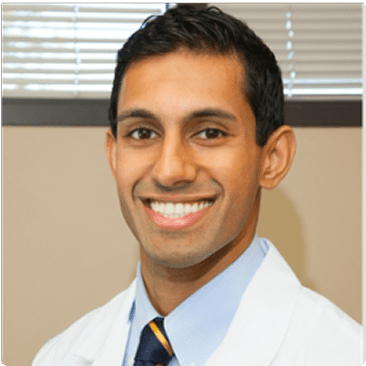
Dr. Ashok L. Gowda
Chief of Orthopedic Surgery and Chief Medical Officer

Dr. Evan Argintar
Chief of cartilage restoration, joint preservation, and minimally invasive arthroplasty
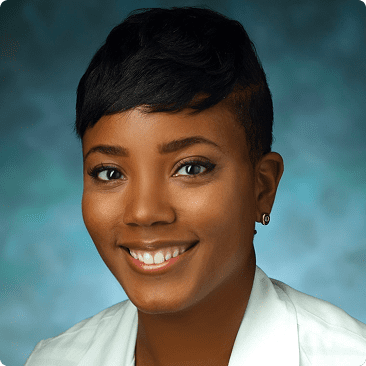
Yavonne Johnson, PA-C
Orthopedic Physician Assistant
Real Patients. Real Results.
5-star reviews


Carrie K.
Dr. Argintar is quick and efficient and attentive at the same time. I was brought in before my insurance paperwork was even done! He had clearly read (or had been briefed on) my file and I think I was in and out of there in less than 20 mins from the time I walked in the door. Highly recommend.
Hannah C.
Dr. Argintar, his assistant and the receptionists were incredibly friendly and on-time. I felt heard and listened to, and would highly recommend this office to anyone looking for a professional and personable doctor and team.
Adam A.
Dr. Argintar was quick and to the point. He was able to identify the injury and recommend what I need to do to begin the healing process. He listened to what I had to say and was able to get me out in a timely manner.
Natalie P.
Dr Argintar was very knowledgeable and helped me understand a bit more of what was causing pain. He was open to listening to me and gave great suggestions on what I should be doing to minimize pain. Will definitely see him again for my follow up.
Pamela W.
I was most impressed by Dr Argintar’s understanding and enthusiastic support of my goal of returning to active participation in my sport, though I am an over-50 athlete. Dr Argintar was prompt, direct and took the time to explain my injury and route to recovery. As his patient, I felt respected and informed.
Sean G.
Dr. Argintar was very personable, explained what was going in with my injury, talked me through treatment options, and proposed a treatment plan that worked with my schedule. Great, quick visit.
